


If you drank too much alcohol and feel sick, try at-home hangover remedies like drinking plenty of water, eating some carbs and sleeping. If excessive drinking and hangover symptoms are interfering with your life, talk to your healthcare provider. While the occasional hangover isn’t necessarily harmful, frequent hangovers can be a warning sign of deeper health issues or alcohol dependency. Repeated episodes of heavy drinking and recovery can stress the liver, leading to long-term liver damage or disease. It can also impair brain function and memory, as well as contribute to mental health issues like depression or anxiety.
Does Alcohol Show Up on a Drug Test?
- You might feel fatigued, nauseous, or have other mental or physical symptoms the next day.
- You’ll get a hangover if you drink too much alcohol, but ‘too much’ is different for every person.
- It begins as a person’s blood alcohol levels decrease after they stop drinking, and it can last for 24 hours or more.
- Ashwagandha helps reduce cortisol and “hangxiety” symptoms like racing thoughts and restlessness.
- This sudden increase, known as glutamine rebound, leads to a stimulant effect when you’re trying to sleep off the alcohol.
Generally, the more alcohol you drink, the more likely you are to have a hangover the next day. But there’s no easy way to know how much you can safely drink and still avoid a hangover. A person can avoid a hangover if they drink a very small amount or if they abstain from alcohol use.
How Long Does A Hangover Last?
- The whole process kicks off as your blood alcohol concentration (BAC) starts its slow decline back to zero.
- But if inflammation is part of the reason hangovers happen, aspirin and nonsteroidal anti-inflammatory drugs (NSAIDs) might help.
- A little planning goes a long way and can be the difference between a fantastic night and a day spent wishing you could turn back time.
- Alcohol is the main culprit in a hangover, but other components of alcoholic beverages might contribute to hangover symptoms or make a hangover worse.
- Inpatient treatment programs provide intensive therapy and medical care in a residential setting.
This suggests that the red ginseng increased the speed of ethanol’s conversion to acetaldehyde. There are several factors that influence how long a hangover lasts and how bad you feel. This image gives you a simple visual marijuana addiction of how a hangover progresses from that first twinge to full recovery. As you can see, the worst of it hits when you’re well into the recovery phase, which brings us to a key point. Alcohol poisoning can result in serious consequences because alcohol can affect life-supporting functions such as breathing, consciousness, and heart activity. Recognizing a problem, seeking professional help, and understanding the root cause are the first steps in getting help for hangxiety.
This can make it hard to quit, especially if a lot of your friends are cannabis users. However, both edibles and smoking cannabis have the potential to cause a weed hangover, https://ecosoberhouse.com/ ranging from physical symptoms like dry mouth to behavioral effects. A marijuana hangover is most likely to happen when you consume an excessive amount of marijuana, particularly if you do not have a tolerance to cannabis. You might feel fatigued, nauseous, or have other mental or physical symptoms the next day.
Evidence-Based Remedies To Recover Faster
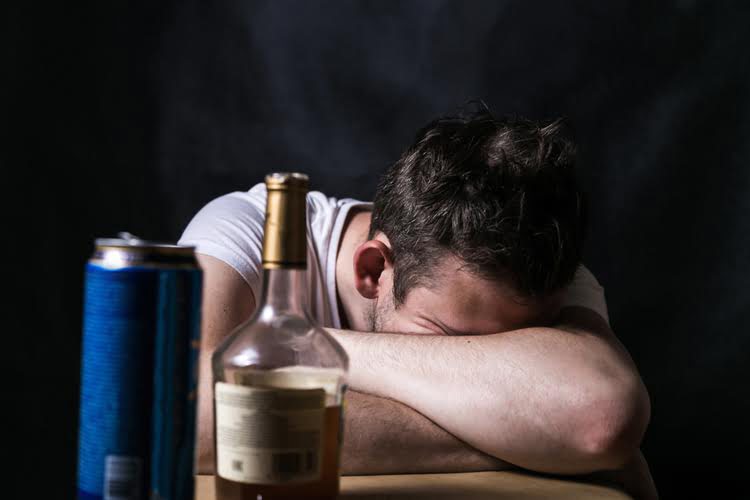
In a 2010 study, researchers compared participants’ self-reported hangover severity after drinking bourbon or vodka. If you’re concerned about how much you’re drinking, your first port of call may be for you to speak to your GP. They’ll be able to address your alcohol-related concerns and point you in the direction of more specialist support, if this is needed. When you’re in the throes of a hangover, you might be wondering how long it will last and the things you can do to make yourself feel better. Here, we explore hangovers in more detail, including how long they last, what symptoms to expect and practical things you can do to ease or avoid them.
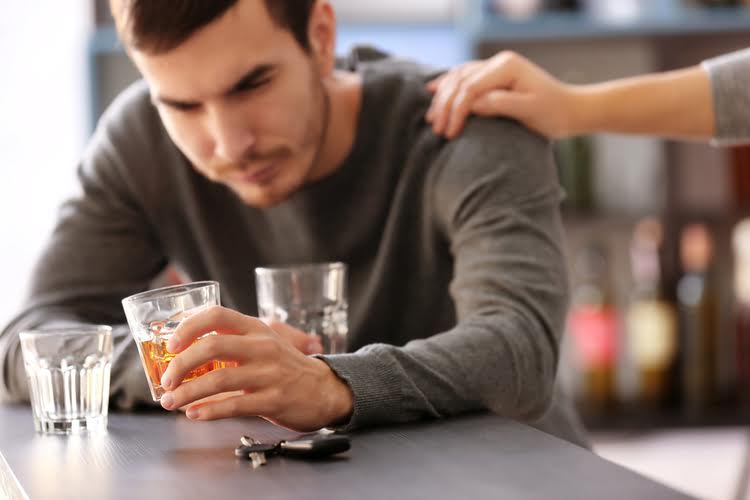
Drinking plenty of water, or fluids that are rich in electrolytes such as sports drinks and coconut water, can help to counteract the effects of dehydration. Caffeine will intensify anxiety, speed up the heart, and make you even jitterier. Energy drinks or drugs combined with alcohol will also increase anxiety and cloud judgment.
During a hangover, a person’s attention, decision-making, and muscle coordination can all be impaired. Also, the ability to perform important tasks, such as driving, operating machinery, or caring for others can be negatively affected. If you suspect that someone has alcohol poisoning — even if you don’t see the classic symptoms — get medical help right away. Pain relievers such as acetaminophen (Tylenol) filter through the liver the same way alcohol does. Healthcare professionals caution using this type of medication regularly along with alcohol as it can increase the risk of liver damage.
Whether a person takes other substances or drinks alcohol with weed use also increases the risk of a hangover. From alcohol detox to relapse prevention care, our dual diagnosis program is ready to help you achieve lifelong sobriety. By helping you work through your mental health and addiction struggles, we will empower you to regain control of your life.
Hangover Symptoms
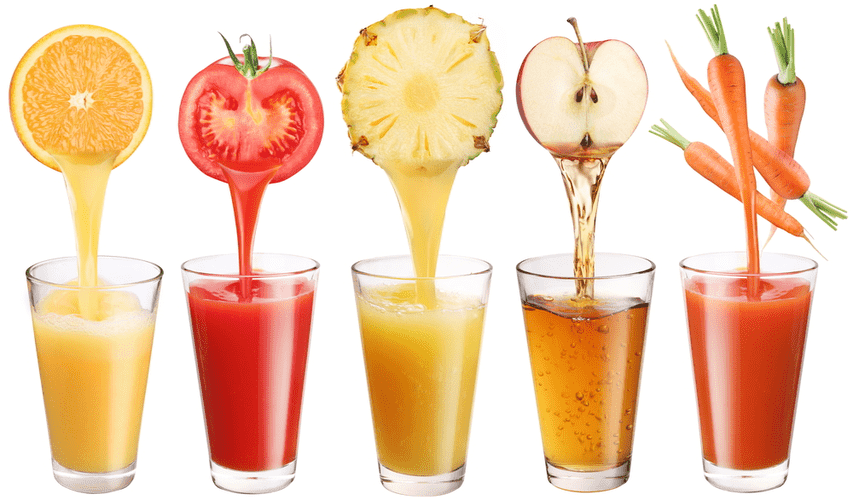
If you feel sick after consuming alcohol, you how long does a hangover last most likely have a hangover. When your body processes alcohol, one of the byproducts is acetaldehyde. In most people, the body breaks down acetaldehyde before it causes problems. But it can cause inflammation in organs, leading to uncomfortable symptoms.
There are some reports online of them lasting for up to 3 days, but we can’t find much evidence to back this up. A worse hangover results in worse shaking, which can make working and driving very difficult. As expected, getting much more drunk will result in a worse hangover and will take longer to recover from. The choices you make every day create a baseline for how well your body handles a night out. Things like your diet, exercise routine, and how you manage stress have a direct impact on how long that post-party fog lasts.
As the brain works to process alcohol, symptoms of anxiety can appear more frequently than they would in a casual or social drinker. When a person has alcohol intolerance, they experience uncomfortable reactions after drinking alcohol. Alcohol dependence also leads to problems with a person’s mental and physical health, along with issues in one’s personal life, such as in their relationships.
